Let's cut right to the chase. Inflation eats your money. It's a silent tax that erodes purchasing power, and if you're holding the wrong assets, it can feel like watching your savings melt in real time. I've seen it happen to clients and, frankly, made a few missteps myself early on. The common advice is to "hedge against inflation," but it's just as crucial to know what not to do. Knowing the worst investments during inflation is your first line of defense.
This isn't about fear-mongering. It's about clarity. When prices are rising, the rules of the game change. Assets that feel safe in stable times become anchors dragging down your portfolio. We're going to walk through the ten biggest culprits, why they fail under inflationary pressure, and—just as importantly—where you might want to look instead. This list is based on economic mechanics, historical performance data, and the painful lessons learned by investors who thought they were playing it safe.
What You'll Find Inside
Why These Investments Fail When Prices Rise
Inflation isn't just "higher prices." It's a shift in the economic environment driven by too much money chasing too few goods, often accompanied by rising interest rates from central banks like the Federal Reserve trying to cool things down. This dual force—eroding purchasing power and higher rates—attacks certain investments from two sides.
First, any asset with a fixed nominal return is doomed. If your investment promises to pay you 3% per year, but inflation is running at 5%, you're effectively losing 2% in purchasing power annually. You're going backwards.
Second, rising interest rates murder the present value of long-duration future cash flows. Money promised far in the future is worth a lot less today when you can get a better return on new, safer bonds. This is the core reason long-term bonds get crushed.
Third, discretionary, non-essential items get squeezed. When household budgets are stretched for gas, food, and rent, the first things to go are the luxuries and big-ticket items that aren't immediately necessary.
With that framework, the list of worst investments starts to make intuitive sense. It's not random; it's economics in action.
The Top 10 Worst Investments During Inflation
Here’s a quick overview of the assets that typically perform poorly when inflation is high. We'll dive into the specifics of each one right after.
| Rank | Investment | Core Reason It Fails | Potential Alternative |
|---|---|---|---|
| 1 | Long-Term Government & Corporate Bonds | Fixed low yield crushed by rising rates & inflation. | Short-Term TIPS, Floating Rate Notes. |
| 2 | Cash in a Low-Yield Savings Account | Guaranteed loss of purchasing power. | High-Yield Savings, Money Market Funds. |
| 3 | Growth Stocks (High P/E, No Profit) | Future earnings discounted more heavily. | Value Stocks, Dividend Growers. |
| 4 | Traditional Fixed Annuities | Locks in a fixed payout eroded by inflation. | Inflation-Adjusted Annuities (if available). |
| 5 | Collectibles & Non-Income Art | Highly speculative, illiquid, no yield. | Tangible assets with utility (e.g., productive land). |
| 6 | Luxury Goods & High-End Cars | Discretionary spending dries up, rapid depreciation. | Essential goods, durable tools. |
| 7 | Commercial Real Estate (Certain Types) | Long leases lag rising costs, vacancy risks rise. | Real Estate with short leases (e.g., storage). |
| 8 | Bonds of Highly Indebted Companies | Refinancing risk as rates rise, default risk. | Bonds of companies with strong cash flow. |
| 9 | Currencies of Unstable Economies | Hyperinflation or capital flight destroys value. | Stable currencies or assets, not cash. |
| 10 | Overpriced "Inflation Hedge" Crypto | No intrinsic value, purely speculative, volatile. | Proven stores of value (e.g., select commodities). |
1. Long-Term Government & Corporate Bonds
This is the classic inflation loser. When you buy a 30-year bond yielding 2%, you're locking in that return. If inflation jumps to 6%, you're losing 4% per year in real terms. Worse, as new bonds are issued with higher yields to attract investors, the market value of your old, low-yielding bond plummets. I've watched bond funds drop 15-20% in a bad inflation scare. It feels safe until it isn't. Treasury Inflation-Protected Securities (TIPS) are the direct antidote, but many investors overlook them, sticking with nominal bonds out of habit.
2. Cash in a Low-Yield Savings Account
Parking money in a big bank savings account paying 0.01% during inflation is a strategic failure. It's the equivalent of opting for a guaranteed loss. The psychology is understandable—cash feels safe and liquid. But its purchasing power is evaporating daily. The subtle mistake here is confusing "nominal safety" (your dollar amount doesn't change) with "real safety" (what those dollars can buy). Moving to a high-yield savings account or a government money market fund is a bare minimum action.
3. Growth Stocks (High P/E, No Profit)
Companies valued on distant future profits get hammered. In a high-rate environment, those future earnings are discounted back to a much lower present value. A stock trading at 80 times earnings with no dividends has no margin of safety. Investors flee to companies with current cash flows, tangible assets, and pricing power. The 2022 market rout was a masterclass in this shift. The non-consensus point? Some "growth" companies with strong pricing power and manageable debt can still weather the storm. It's about the business model, not just the label.
4. Traditional Fixed Annuities
Signing up for a lifetime of fixed monthly payments during high inflation is a recipe for regret. That $3,000 a month might cover your bills now, but in 15 years, it could feel like peanuts. Insurance salespeople often gloss over this long-term erosion. If you're considering an annuity for income, an inflation-adjusted rider is non-negotiable in an inflationary outlook, even if it lowers the initial payout.
5. Collectibles & Non-Income Producing Art
This is a hobby, not an inflation hedge, for most people. The market is illiquid, subjective, and carries high transaction costs. While headline sales of Picassos make news, the average collectible car, watch, or comic book does not reliably outpace inflation. It also generates no income while you hold it. I've seen collectors get stuck trying to sell when no one is in a buying mood for luxuries. Real assets like farmland or timberland at least produce a crop or harvest while you wait.
A Personal Observation: The biggest trap I see is investors clinging to "what worked before." A portfolio heavy in long bonds and tech growth stocks might have soared in the 2010s. In an inflationary 2020s, that same portfolio can get decimated. Context matters more than past performance.
6. Luxury Goods & High-End Cars
Buying a Rolex, a new boat, or a luxury sedan as an investment during inflation is usually a bad idea. These are consumption items that depreciate the moment you buy them. Their secondary market is the first to freeze when credit gets tight and consumer confidence wanes. You're left with a rapidly depreciating asset and a repair bill.
7. Commercial Real Estate (Certain Types)
Not all real estate is a good hedge. Office buildings with long-term leases can't raise rents to match soaring operating costs (insurance, maintenance, utilities). Retail spaces in struggling malls face tenant bankruptcies. The good stuff—industrial warehouses, apartment buildings with short-term leases—can do well. The bad stuff gets exposed.
8. Bonds of Highly Indebted Companies
Low-quality corporate debt (junk bonds) is a double whammy. Rising rates make it expensive for these companies to refinance their debt, increasing default risk. At the same time, inflation may squeeze their profit margins if they can't pass on higher input costs. It's risk without sufficient reward.
9. Currencies of Unstable Economies
If you're holding cash in a currency from a country experiencing hyperinflation or severe economic mismanagement, you are watching your wealth disappear. This is an extreme but critical point for international investors or expats. The U.S. dollar often strengthens during global inflation scares, but the Argentine peso or the Turkish lira might not.
10. Overpriced "Inflation Hedge" Crypto
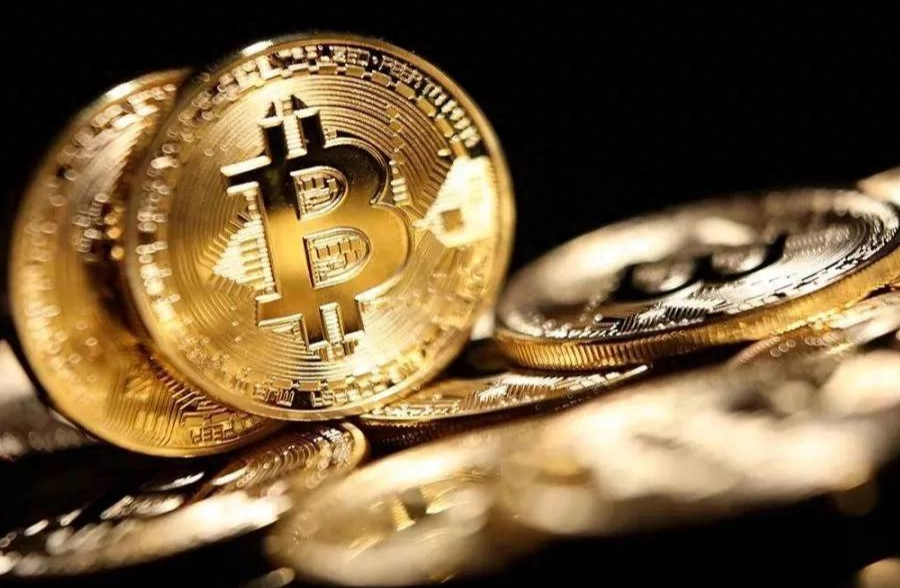
Bitcoin was marketed as "digital gold," but its performance during the 2021-2022 inflation spike was highly volatile and correlated with risk assets, not a stable store of value. Many speculative altcoins collapsed entirely. Relying on a highly volatile, speculative asset with no cash flow or intrinsic value as your primary inflation hedge is reckless. It's a bet, not a strategy.
What Should You Do Instead During Inflation?
So, if that's what to avoid, where do you look? The goal is to own assets that either maintain their real value or can grow their nominal cash flows alongside inflation.
Equities with Pricing Power: Companies that sell essential goods or services and can easily raise prices without losing customers. Think consumer staples, certain healthcare, and infrastructure.
Short-Term Inflation-Linked Bonds: TIPS (Treasury Inflation-Protected Securities) directly adjust their principal for CPI. Short-term ones have less interest rate risk.
Real Assets: This includes commodities (like oil, agricultural products), real estate investment trusts (REITs) with smart structures, and infrastructure. These have intrinsic, tangible value.
Floating Rate Investments: Bank loans and floating rate notes whose interest payments reset periodically with benchmark rates.
The key is balance. Don't swing from 100% bonds to 100% commodity futures. Rebalance your portfolio to tilt towards these areas while reducing exposure to the losers listed above.
Common Mistakes and Subtle Traps
Beyond the bad investments, there are behavioral missteps.
Panic Selling Everything: Volatility is high during inflationary periods. Selling all your stocks at a low point to go to cash locks in losses and misses the eventual recovery.
Chasing Last Year's Winners: If energy stocks soared 50% last year, piling in now is dangerous. The cycle may have already turned.
Ignoring Taxes: Selling appreciated assets to reallocate your portfolio can trigger capital gains. Factor this into your decision.
Overestimating Your Risk Tolerance: Commodities and volatile stocks can have wild swings. If you can't sleep at night, you'll sell at the wrong time.
The most subtle trap? Doing nothing. Inflation is an active force that requires an active review of your holdings. Passivity is a decision—and often a costly one.
Your Inflation Investing Questions Answered
This guide is based on historical financial principles, analysis of past inflationary periods, and observed market behavior. The goal is to provide a framework for thinking, not a crystal ball. Always consider your personal financial situation and risk tolerance, and consider consulting with a qualified financial advisor for personalized advice.