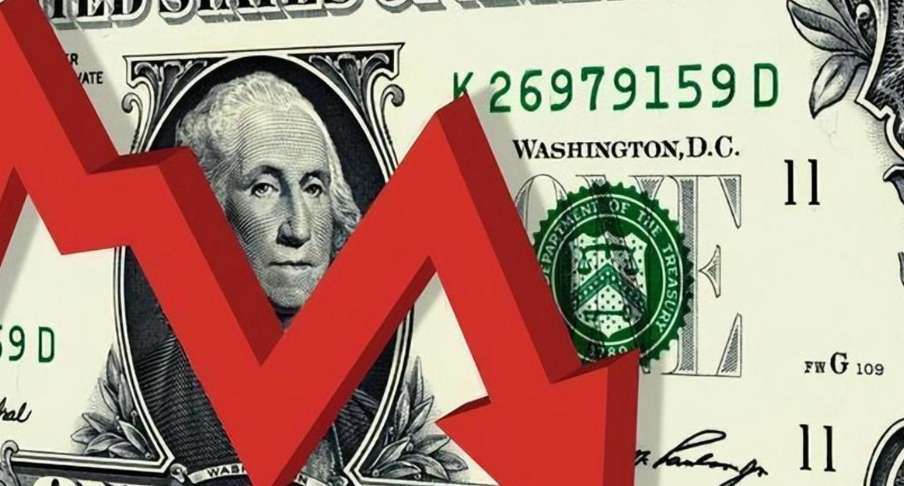
Look at a chart of the U.S. Dollar Index (DXY) lately and you might get whiplash. After a period where everyone was talking about its inevitable decline, the dollar has clawed its way back up, leaving investors, travelers, and business owners scratching their heads. Is this a genuine, sustainable rebound, or just a temporary blip before the next leg down? From my desk, watching the flows and talking to traders, this feels different from the false starts we've seen before. The chatter has shifted from "When will the Fed cut?" to "What if they don't?" That change in narrative is the engine behind this move.
What You'll Find Inside
The Rally by the Numbers: It's Real
Let's cut through the noise with data. This isn't a minor fluctuation. The DXY, which measures the dollar against a basket of six major currencies, broke out of a key resistance level that had held for months. Against the euro, a key benchmark, the dollar pushed the EUR/USD rate down significantly. For anyone importing European goods or planning a trip to Rome, that move hit the pocketbook directly.
But here's a nuance most headlines miss. The strength isn't uniform. The dollar has absolutely smashed currencies where central banks are already cutting rates, like the Swiss Franc. Its performance against the Japanese Yen has been brutal, driven by the stark policy divergence between a still-hawkish Fed and a ultra-dovish Bank of Japan. However, its gains against currencies where central banks are also holding firm, like the Euro, have been more measured. This tells you the rally is selective and driven by relative policy expectations, not just blind dollar buying.
Why the Dollar Won (When Everyone Thought It Would Lose)
For over a year, the consensus trade was "short dollar." The logic was simple: the Fed would cut rates aggressively, other central banks would be slower to ease, and the dollar's yield advantage would vanish. So what happened? The world got more complicated.
The Fed's "Hawkish Hold" Changed Everything
The single biggest driver has been the Federal Reserve. Inflation data proved stickier than the optimistic models predicted. The Fed's message pivoted from signaling imminent cuts to emphasizing patience. This "higher for longer" reality means U.S. interest rates remain attractive compared to most of the developed world. Money flows where it gets paid, and right now, it's still getting paid in dollars.
The Global Safety Play
When geopolitical tensions flare up—think conflicts in Europe and the Middle East—or when global growth fears resurface, investors don't just run to U.S. Treasury bonds. They run to the U.S. dollar to buy those bonds. It's the world's ultimate liquidity haven. This safe-haven demand has provided a constant floor under the dollar during this period, muting any sell-offs.
The "Not-So-Hot" Elsewhere Problem
The dollar's rebound isn't just a U.S. story; it's a story of weakness elsewhere. Economic recoveries in Europe and China have been sputtering, forcing their central banks to contemplate rate cuts sooner rather than later. The Bank of Japan's hesitant steps away from negative rates did little to inspire confidence in the Yen. When your competitors are looking shaky, even staying steady looks like strength.
A Trader's Note: I've seen many retail investors get burned trying to fade (bet against) dollar strength this year because they were anchored to the old "dollar doom" narrative. They ignored the price action and the shifting Fed speak. In currencies, the trend is your friend until it isn't, and fighting the Fed is a classic way to lose money.
The Real-World Impact on Your Wallet
This isn't just a Wall Street story. A stronger dollar has immediate, tangible effects.
- Your Overseas Vacation: That dream trip to Europe just got more expensive. A 10% stronger dollar means your hotel bill, restaurant meals, and museum tickets cost 10% more in dollar terms. Conversely, destinations with currencies pegged to the dollar or closely linked become relative bargains.
- Your Investment Portfolio: If you own international stocks or funds, their value in U.S. dollar terms has taken a hit from the currency translation. A great performing German company can still show a loss in your brokerage account if the Euro fell hard against the dollar.
- The Grocery Store: A stronger dollar makes imported goods cheaper. That olive oil from Italy, cheese from France, or electronics from Asia might see less inflationary pressure. It's a subtle, but real, counterweight to domestic inflation.
| Scenario | Impact of a Stronger Dollar | Who It Helps | Who It Hurts |
|---|---|---|---|
| Importing Goods | Lower cost in USD for foreign products. | U.S. retailers, consumers buying imports. | Foreign exporters (their goods become more expensive for U.S. buyers). |
| Exporting Goods | U.S. goods become more expensive for foreign buyers. | Foreign competitors. | U.S. manufacturers, farmers. |
| Foreign Travel | Travel costs rise in countries with weaker currencies. | Tourism industries in dollar-pegged countries. | U.S. tourists going to Europe, Japan, etc. |
| International Investments | Currency loss on foreign assets when converted back to USD. | U.S. investors holding unhedged foreign assets see reduced returns. | Funds that hedge currency exposure. |
Is This Rally Sustainable? The Expert Skepticism
Okay, the dollar is up. The big question is: for how long? Having traded through multiple dollar cycles, I'm skeptical of calls for a runaway, multi-year bull market. Here's why.
The U.S. has massive twin deficits—budget and trade. That structural headwind for the dollar hasn't gone away; it's just been masked by higher interest rates. Once the Fed genuinely begins its cutting cycle, that key support pillar gets kicked away. Furthermore, other central banks will eventually catch up. The European Central Bank may cut, but if eurozone inflation also proves sticky, the rate differential might not widen as much as expected.
Most analysts, including those at the International Monetary Fund in their regular External Sector Reports, still view the U.S. dollar as overvalued based on long-term fundamentals like purchasing power parity. These models aren't great for timing, but they act like gravity over the long run.
Your Move: Strategies in a Strong Dollar World
So what do you do? Panic? No. Adjust.
For investors, this is a reminder to know what's in your funds. If you have a significant allocation to international stocks, check if the fund is "currency-hedged." A hedged fund aims to neutralize this dollar effect. It's an insurance policy that costs a bit but can save a lot during sharp dollar rallies.
For business owners dealing with imports or exports, it's time to review hedging strategies with your bank. Locking in a favorable exchange rate for future transactions can protect your margins.
For travelers, be currency-conscious. Maybe this is the year for Canada or Mexico instead of the Eurozone. Or, if Europe is a must, budget more for daily expenses and consider pre-paying for hotels and tours in dollars if possible to lock in costs.
Your Dollar Dilemmas, Answered
The bottom line? Yes, the U.S. dollar has rebounded, and forcefully so. This rally is rooted in a recalibration of Fed expectations and global risk aversion, not mere speculation. It has real consequences for your spending and investing. However, view it as a phase in a longer cycle, not a permanent new state. The structural pressures on the dollar haven't vanished. Smart money isn't betting on a forever-strong dollar; it's adapting its tactics to the current winds while keeping an eye on the horizon for the next shift. Your best move is to do the same: understand the why, assess the impact on your personal finances, and make pragmatic adjustments without overreacting.