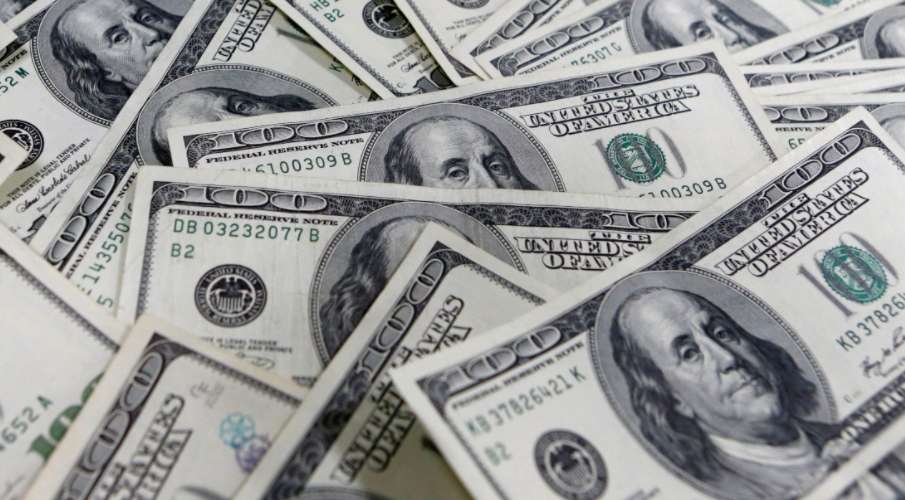
You hear it on the news, see headlines about a "weakening dollar," and maybe feel a pang of anxiety. But what does this actually mean for you? Forget the abstract economic theories for a moment. When the US dollar loses value, it's not just a number on a chart. It changes the price of your gas, the cost of your next vacation, and the real worth of the money in your savings account. The core effect is a loss of purchasing power, especially for anything coming from outside the US. Let's break down exactly what that looks like in your life.
What You'll Learn Inside
What Does a Falling Dollar Actually Mean?
First, a dollar's value is always relative. It's measured against other currencies (like the Euro or Yen) in foreign exchange markets, and against goods and services (which is inflation). A "weak" dollar means it takes more dollars to buy one euro or to import a German car. This happens for many reasons: lower interest rates in the US compared to other countries, large government deficits that increase the money supply, or a global shift in confidence toward other economies.
One common mistake is obsessing over the U.S. Dollar Index (DXY) as the only metric. The DXY tracks the dollar against a basket of six major currencies. If you never buy anything from Europe, Japan, or the UK, a dip in the DXY might not feel immediate. The real metric that matters is your personal consumption basket—where you spend your money. If you drive a lot, the dollar's value against oil-producing nations' currencies matters more. If you buy electronics, the dollar-yen rate is key.
How a Weaker Dollar Directly Impacts Your Wallet
This is where theory meets your bank statement. The effects aren't always instant, but they filter through the economy in predictable ways.
The Gas Pump and Grocery Store Pinch
Oil is priced in US dollars globally. When the dollar is weak, oil-producing countries need more dollars to maintain their revenue, often pushing the price per barrel up. This translates directly to higher prices at the pump. It's one of the fastest and most visible effects.
Walk through a grocery store. That Italian Parmesan, Chilean salmon, Colombian coffee, or Belgian chocolate? All cost more to import. Even products assembled in the US often contain components from abroad. A weaker dollar makes those parts more expensive, raising the final price. You're not just paying for the product; you're paying for the more expensive currency needed to buy it overseas.
Your Travel Plans Get a Price Tag Shock
This one hits hard. I remember planning a trip to Europe in 2015 when the dollar was incredibly strong. My euros went far. Fast forward to a period of dollar weakness, and that same two-week vacation in Italy or France could cost 20-30% more. Your hotel, meals, and museum tickets—all priced in local currency—suddenly consume a much bigger chunk of your dollar budget.
Let's put numbers to it. Assume a nice hotel in Paris costs €200 per night.
| Scenario (USD/EUR Rate) | Cost per Night in USD | Cost for 7 Nights | The Reality for Your Wallet |
|---|---|---|---|
| Strong Dollar: 1 USD = 0.85 EUR | ~$235 | ~$1,645 | Your money feels powerful. You might upgrade your room. |
| Weak Dollar: 1 USD = 1.20 EUR | ~$240 | ~$1,680 | Almost the same. Minor difference. |
| Very Weak Dollar: 1 USD = 1.10 EUR | ~$220 | ~$1,540 | Actually cheaper! Wait, this seems wrong... |
| CORRECTED Weak Dollar: 1 EUR = 1.20 USD | $240 | $1,680 | More expensive. This is the correct calculation. |
See the common error in the third row? Even experienced travelers can confuse the direction of the quote. When the dollar weakens, the EUR/USD rate goes up (e.g., 1 EUR = 1.20 USD, meaning you need $1.20 to buy 1 euro). That hotel room now costs $240 per night. For a 7-night stay, that's an extra $245 compared to the "strong dollar" scenario. That's a fancy dinner or several tours gone from your budget.
The Investment Chain Reaction
Your investment portfolio isn't immune. The effects here are a mixed bag, creating winners and losers.
The Good News for Parts of Your Portfolio
US Large Multinationals: Companies that earn a significant portion of their revenue overseas (think Apple, Microsoft, Pfizer) get a boost. When they convert their foreign profits back into dollars, those euros and yen translate into more dollars. This can lead to higher reported earnings and potentially higher stock prices.
Commodities and Hard Assets: Gold, silver, oil, and copper often have an inverse relationship with the dollar. As the dollar falls, these globally priced assets become cheaper for holders of other currencies, increasing demand and pushing their dollar prices up. Real estate and other tangible assets can also serve as a store of value.
International Stock Funds: If you own a fund that holds European or Japanese stocks, and the dollar falls against the euro and yen, the value of those foreign holdings increases when converted back to dollars. This provides a nice currency tailwind.
The Bad News for Other Parts
Your Cash and Bonds: The real value (purchasing power) of the dollars sitting in your savings account erodes. This is especially painful during periods of both a weak dollar and high inflation. The interest you're earning likely isn't keeping up. Long-term US Treasury bonds can also suffer, as foreign investors (who own a huge chunk of them) see their returns diminished when converting dollar interest payments back to their stronger home currencies.
Pure Domestic Companies: Businesses that only operate in the US and rely on imported materials face squeezed profit margins, which can hurt their stock performance.
Here’s a quick guide to how different asset classes typically react:
| Asset Class | Typical Reaction to a Weaker USD | Why It Happens |
|---|---|---|
| US Stocks (Exporters) | Positive | Foreign sales are worth more in USD terms. |
| International Stocks (Unhedged) | Positive | Local gains are amplified when converted to USD. |
| Gold & Commodities | Positive | Priced in USD, become cheaper for global buyers, boosting demand. |
| Cash (USD) | Negative | Loses purchasing power for imported goods. |
| US Bonds (Long-Term) | Negative/Mixed | Foreign demand may wane; inflation fears can push yields up. |
| Cryptocurrencies | Uncertain/Volatile | Some view as a hedge, but correlation is not stable. |
How Can You Protect Your Finances?
You're not powerless. A few strategic moves can hedge against dollar weakness. This isn't about betting against your own currency; it's about sensible diversification.
Diversify Your Investments Geographically: Ensure a portion of your equity portfolio is in international or global funds that are not currency-hedged. This way, you own assets in euros, yen, etc. When the dollar falls, this part of your portfolio acts as a natural counterbalance. Vanguard's Total International Stock Index Fund (VTIAX) or similar ETFs are classic tools for this.
Consider a Slice of Commodities or Real Assets: A small allocation (say, 5-10%) to a broad commodity ETF or a Real Estate Investment Trust (REIT) fund can provide a hedge. Gold ETFs like GLD are popular, but understand they don't produce income and can be volatile.
Be Smart About Big-Ticket Purchases: If you're planning a major overseas trip or need to buy an imported car, keep an eye on exchange rates. Sometimes, locking in a rate with a forward contract through your bank or a service like Wise can make sense for large, planned expenses. For smaller trips, using a credit card with no foreign transaction fees is the bare minimum.
Review Your Emergency Fund: In a sustained period of dollar weakness and inflation, the classic advice of keeping 3-6 months of expenses in cash needs a second look. That cash is losing value. Some advisors now suggest considering a tiered approach: part in a high-yield savings account, part in very short-term Treasuries (like via a money market fund), to at least chase higher yields.
The biggest mistake I see? People panic and make huge, sudden shifts in their portfolio based on short-term currency moves. Currency markets are incredibly difficult to predict. The goal isn't to time the market; it's to build a resilient portfolio that can weather different environments, including a period of dollar decline.
Your Top Questions Answered
I'm planning a trip to Europe next year. Should I buy euros now to lock in the rate?
Does a weak dollar automatically mean higher inflation in the US?
If I invest in an international ETF, am I automatically hedged against a falling dollar?
Is it wise to move all my money out of US dollars into stronger currencies?
How quickly do consumer prices react when the dollar drops?